
A commodity product.
A commodity market.
One decision changed everything.
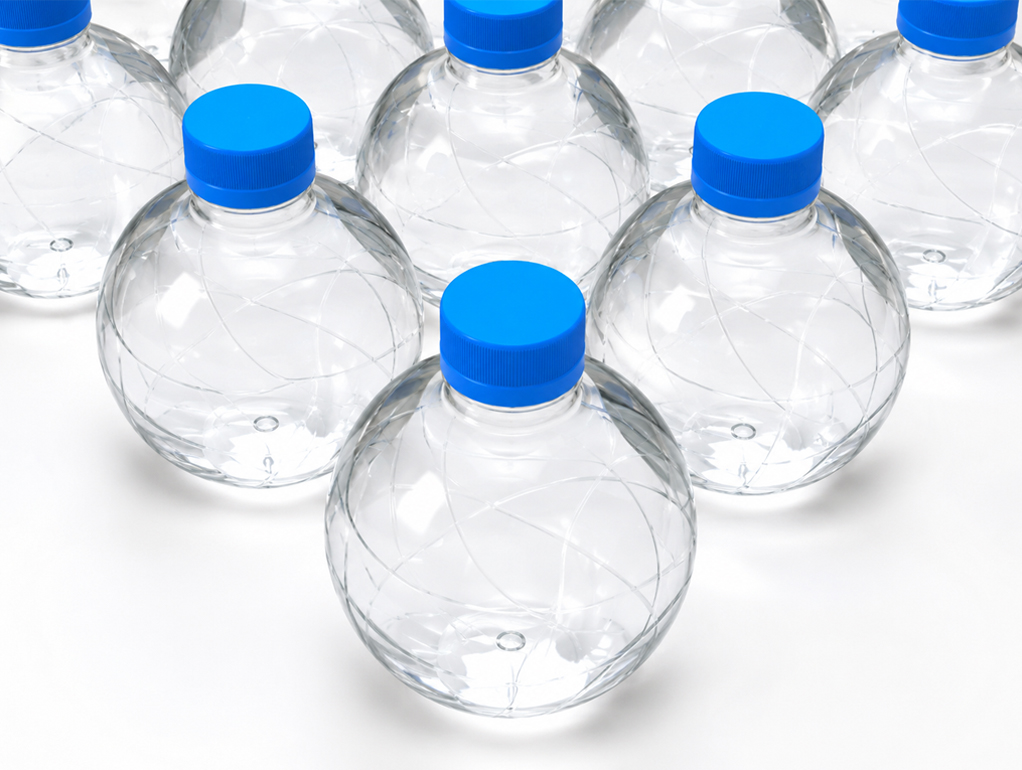
The finished product · Same factory · Same materials
India’s packaged water industry. Thousands of brands. Same bottle. Same price.
What every competitor asked
“How do we make a better bottle?”
What LSAR asked
“Who is actually making the purchase decision — and what is their real goal?”
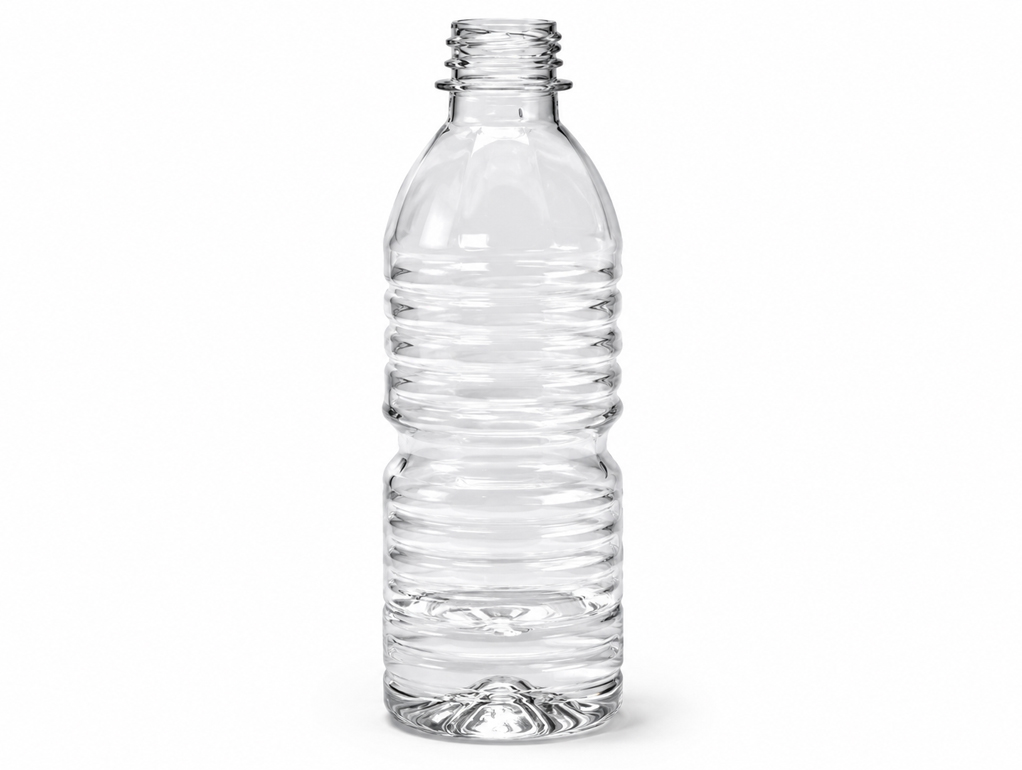
The same bottle. Every brand. Every wedding. Nobody notices it.
L — Listen · Phase 01
We went to weddings. We watched. We listened.Not to the product — to the people.
What everyone assumed
The Guest
Drinks the water. Discards the bottle.
Design for the guest → make a better bottle
What observation revealed
The Host
Buys the water. Does not drink it. Has one goal — surprise the guest.
Design for the host → create a surprise
The entire design brief collapsed into one word
SURPRISE
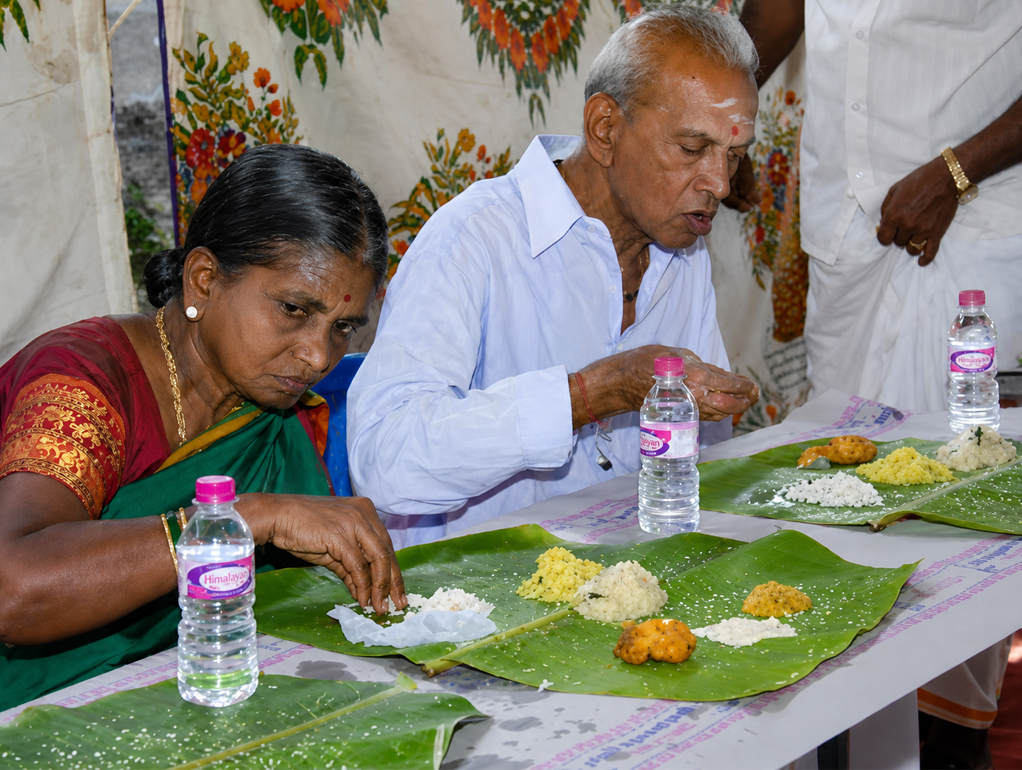
What we observed. Real guests. Real wedding. The host buying. The guest eating.
S — Structure · Phase 02
The brief was rewritten from scratch.
Not: “Make a better water bottle.”
“Create a surprise for the guest that reflects the host’s attention — through the water bottle itself.”
Every design decision from this point traced back to one behavioral observation. Not to aesthetics. Not to competitor research. Not to team preference.
A — Analyse · Phase 03
Three concepts. Five criteria. One survived.
Each concept evaluated against behavioral criteria — not team preference, not aesthetic opinion.
Criteria: Aesthetics · Usability · Sportive energy · Mood · Overall energy
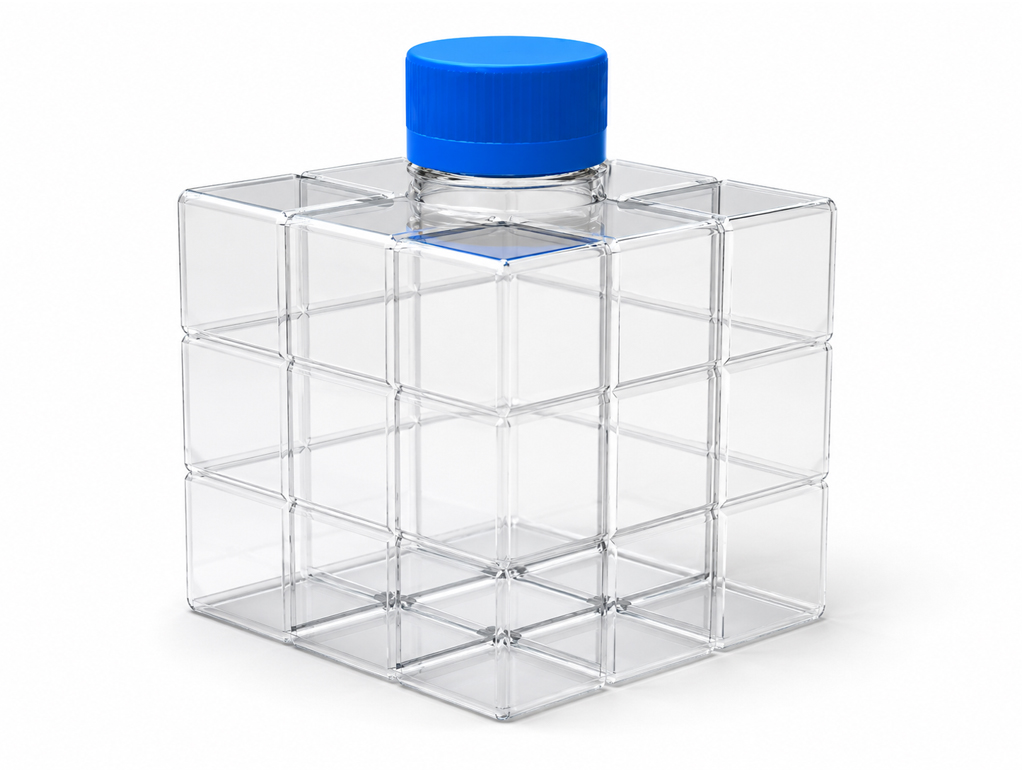
Concept 01
Rubik’s Cube
Fun. Playful. Creates puzzle interaction. Strong surprise element. But complex to manufacture at scale, usability unclear, and fragile if dropped.
Eliminated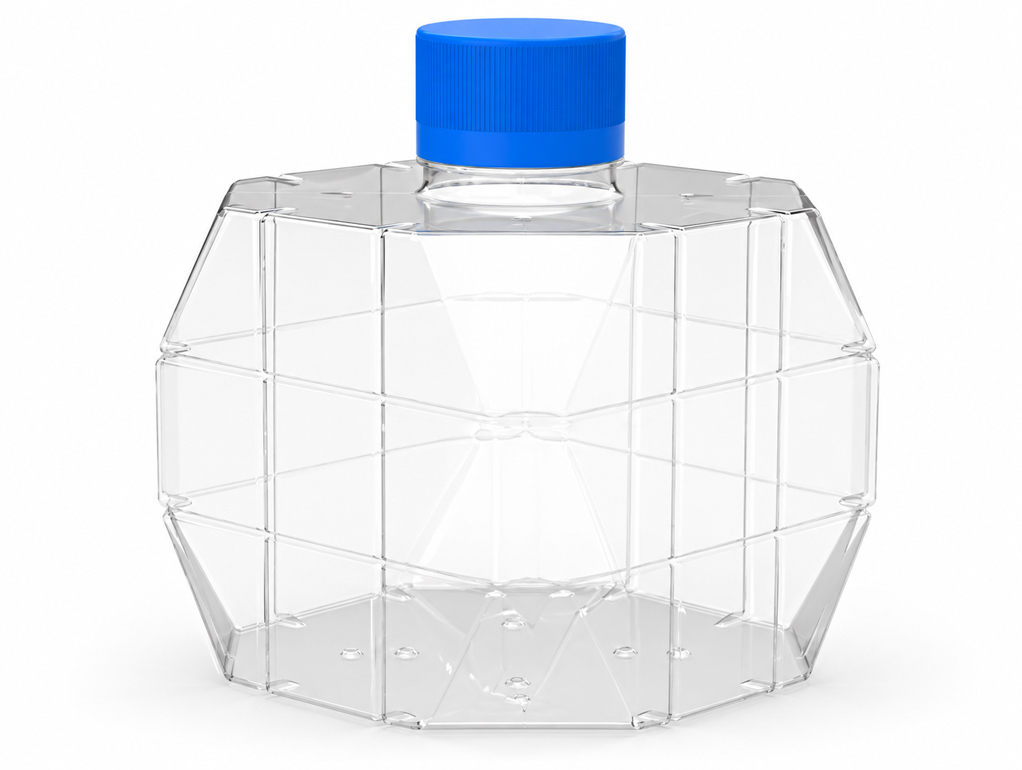
Concept 02
Honeycomb
Fresh. Elegant. Aesthetic surprise on first glance. But guests read it as a design detail, not an interactive object — surprise faded immediately, no continued engagement.
Eliminated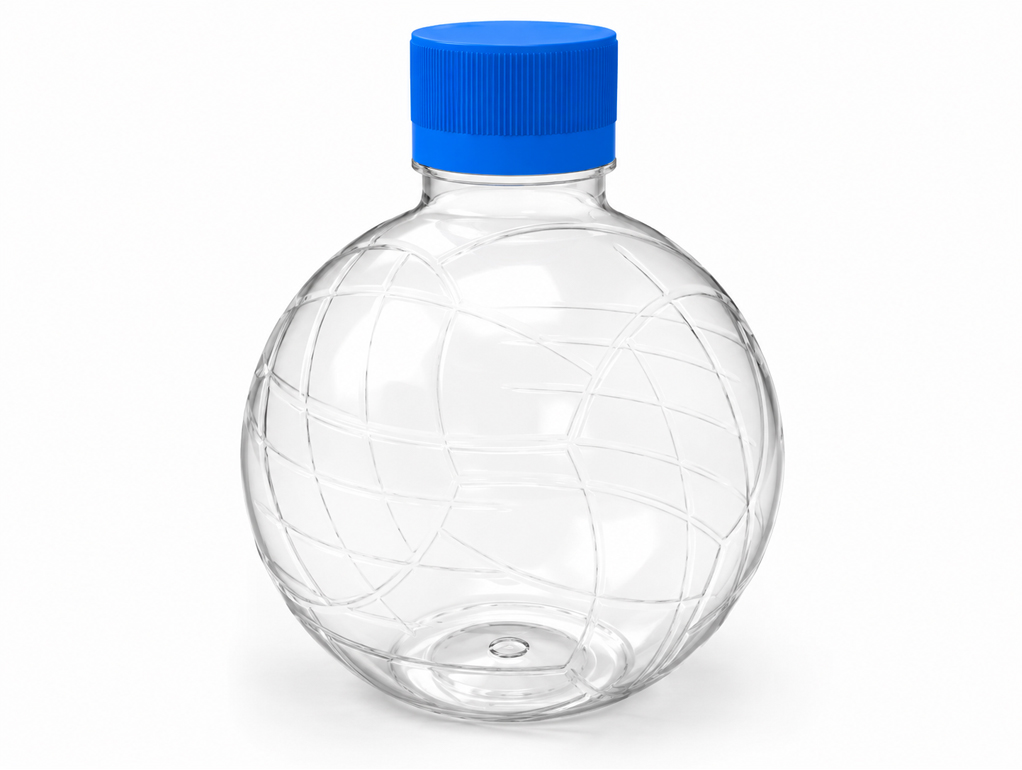
Concept 03
Volleyball
Familiar shape in an unfamiliar context. Immediately tactile — guests pick it up, pass it, hold it. Creates social interaction at the table, surprise sustained throughout the event, and becomes a natural souvenir.
Selected — Highest ScoreR — Resolve · Phase 04
Verdict: BUILD.
A 300ml globe-shaped bottle. Small. Unexpected. Designed to be picked up before it is opened — exactly what the host needed to create the surprise the moment it appeared at the table.
First event. Guests saw it. They did not drink it first. They picked it up.
What a guest said
“This is cute. My child would love this. I am keeping it.”
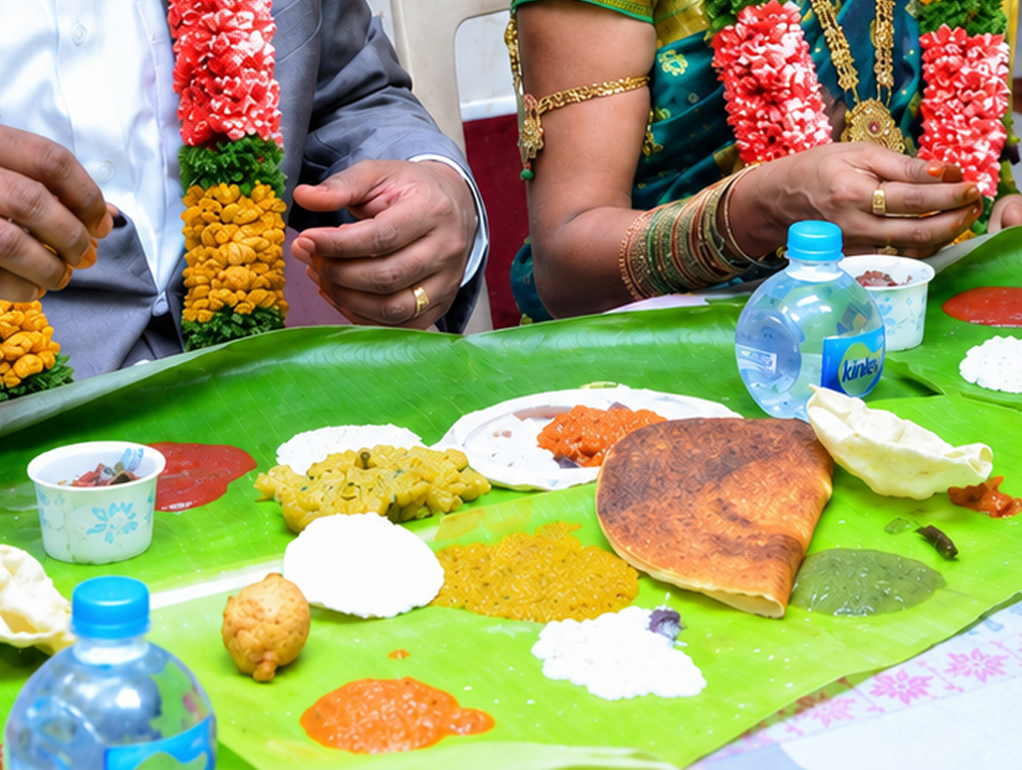
The verdict in real life. The bottle beside the food. The host’s surprise — delivered.
The Cultural Shift
No guest in Indian wedding history had ever taken an empty bottle home.
Until this one.
In Indian wedding culture an empty plastic bottle has one identity — waste. You set it down. It gets cleared. No guest had ever pocketed an empty PET bottle on the way out. The social reflex is universal. Carrying it home would feel odd.
The iball bottle erased that reflex. The moment a guest finished drinking, they processed the object differently. Not “discard.” Ownership. Desire. Attachment.
The bottle did not just change shape. It created a behavior that had never existed before.
The bottle outlived the event
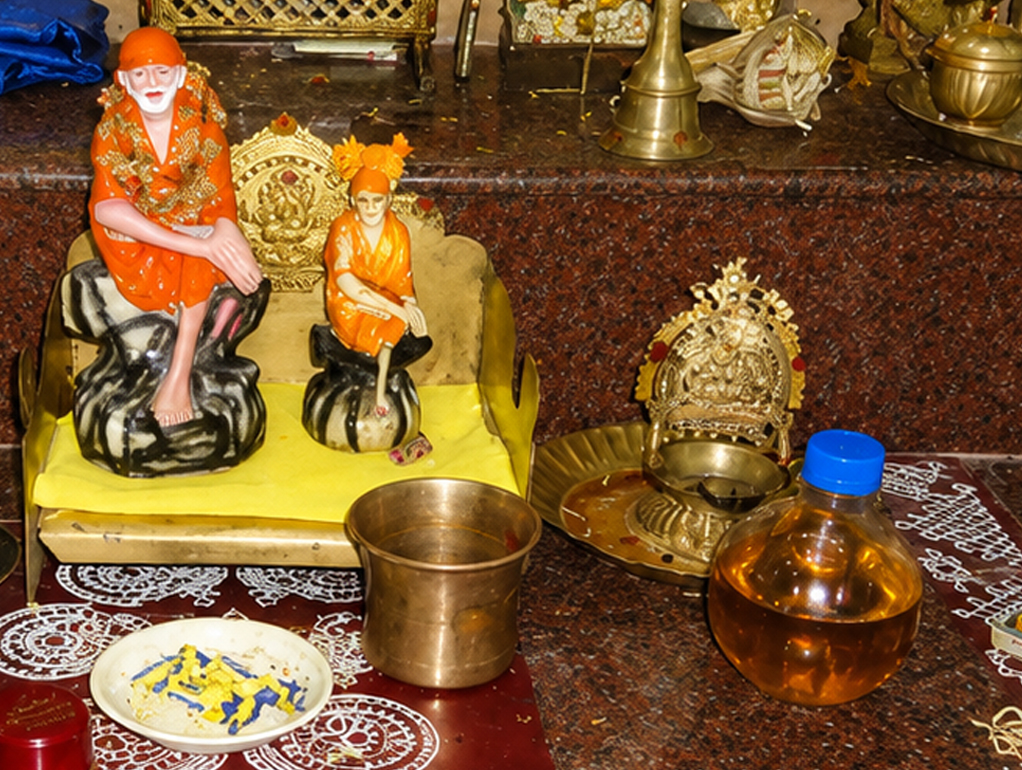
A water bottle — now an oil vessel in a pooja room. The furthest possible journey from its origin.
Same factory.
Same materials.
Same water.
One product decision.
Made before a single rupee moved into production.
75%
profit increase
Questions About This Case Study
How did LSAR achieve a 75% profit increase for a packaged water company?
Through ethnographic research at Indian weddings, LSAR identified that the real buyer was the wedding host — not the guest who drinks the water. The host’s goal was to surprise guests. This single behavioral insight changed the entire design brief. A volleyball-shaped 300ml bottle was selected after testing three concepts against five behavioral criteria. The result: 75% profit increase with zero additional material cost per unit. A new mould was required — standard tooling cost recovered within the first production run.
What is the iball case study?
The iball case study demonstrates how the LSAR Product Decision Framework transformed a commodity PET water bottle into a premium product. The same factory, same materials, and same water produced a 75% profit increase through one product decision — made before a single rupee moved into production. Shared with full client approval, work conducted under the Mayan360 brand.
What is the difference between the buyer and the user in a product decision?
The buyer makes the purchase decision. The user uses the product. In the iball case, the wedding host bought the water but the guest drank it. Designing for the guest produces a better bottle. Designing for the host produces a product that creates surprise — an entirely different brief with an entirely different result. This distinction is the core of the Listen phase in LSAR.
Why did the volleyball shape win over the Rubik’s Cube and Honeycomb?
Three concepts were tested against five behavioral criteria: Aesthetics, Usability, Sportive energy, Mood, and Overall energy. The Rubik’s Cube was eliminated due to manufacturing complexity and unclear usability. The Honeycomb was eliminated because surprise faded immediately with no continued engagement. The volleyball scored highest across all criteria — familiar shape in unfamiliar context, creating sustained social interaction and a natural souvenir effect.
What is ethnographic research in product decisions?
Ethnographic research means observing real users in real situations — not surveys or focus groups. In the iball case, attending Indian weddings and watching real behavior revealed that buyer and user were different people with different goals. No survey would have produced that insight.
Can LSAR be applied to products other than packaged water?
Yes. The LSAR Framework applies to any product decision — physical products, FMCG, food, agricultural equipment, e-commerce, digital, or service design. The behavioral evidence principles that produced the iball result work identically across industries and product types.
This is what LSAR makes possible.
Not a better product.
A product that changes how people behave around it.
This case study is shared with full client approval. Work conducted by L Saravanan under the Mayan360 brand.
Your product deserves this.
Talk to L Saravanan Limited engagements.